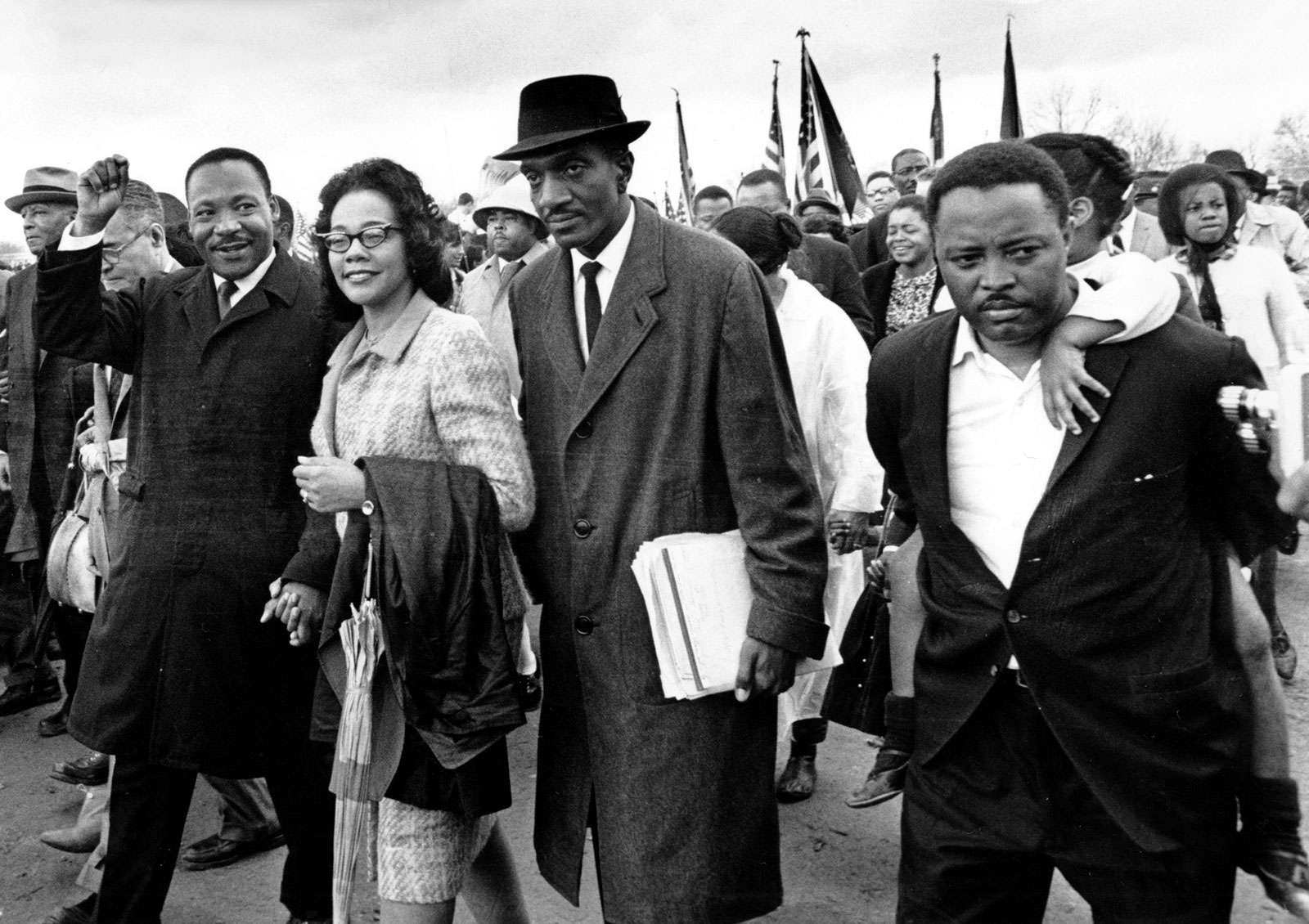
Black History Month 2022 begins in Canada on Tuesday, February 1 and ends on Tuesday, March 1. Black History Month is an annual observance and also known as African-American History Month. It has received official recognition from governments in the United States and Canada, and more recently in Ireland, and the United Kingdom (where it is celebrated in October). This is a way of remembering important people and events in the history of the African diaspora.
Black History Month. African American History. Celebrated annual. In February in United States and Canada. In October in Great Britain. Poster, card, banner, background. Vector illustration
Black History Month is an annual observance and also known as African-American History Month. It has received official recognition from governments in the United States and Canada, and more recently in Ireland, and the United Kingdom (where it is celebrated in October). This is a way of remembering important people and events in the history of the African diaspora. Black History Month 2022 begins in Canada on Tuesday, February 1 and ends on Tuesday, March 1.
As in many other parts of the world, Pakistan’s anti-vaxxers are turning to fake vaccine certificates to dodge government restrictions on unvaccinated individuals.
Blinded by glaring sunshine as he stepped out of a public bus, Amjad* blinked his way toward Karachi’s Expo Centre to join thousands gathered outside the city’s largest COVID-19 vaccination hub.
Over four hours later, a health care worker entered Amjad’s details into the system and ushered him toward another long queue to receive his shot. Instead, he went straight to work and, showing the vaccine receipt as proof, lied to his employer about getting jabbed.
“I had lost half a day already and couldn’t afford to take the entire day off,” the blue-collar worker told The Diplomat.
His vaccine certificate was available online a few weeks later.
Amjad is one of many Pakistanis who rushed to vaccination centers in late July when the government announced it was barring unvaccinated staff from entering offices in schools, hospitality and transport businesses, and the public sector, as well as limiting air travel to vaccinated individuals. Sindh province took it up a notch by threatening to shut off cellphone services and withholding salaries of government employees.
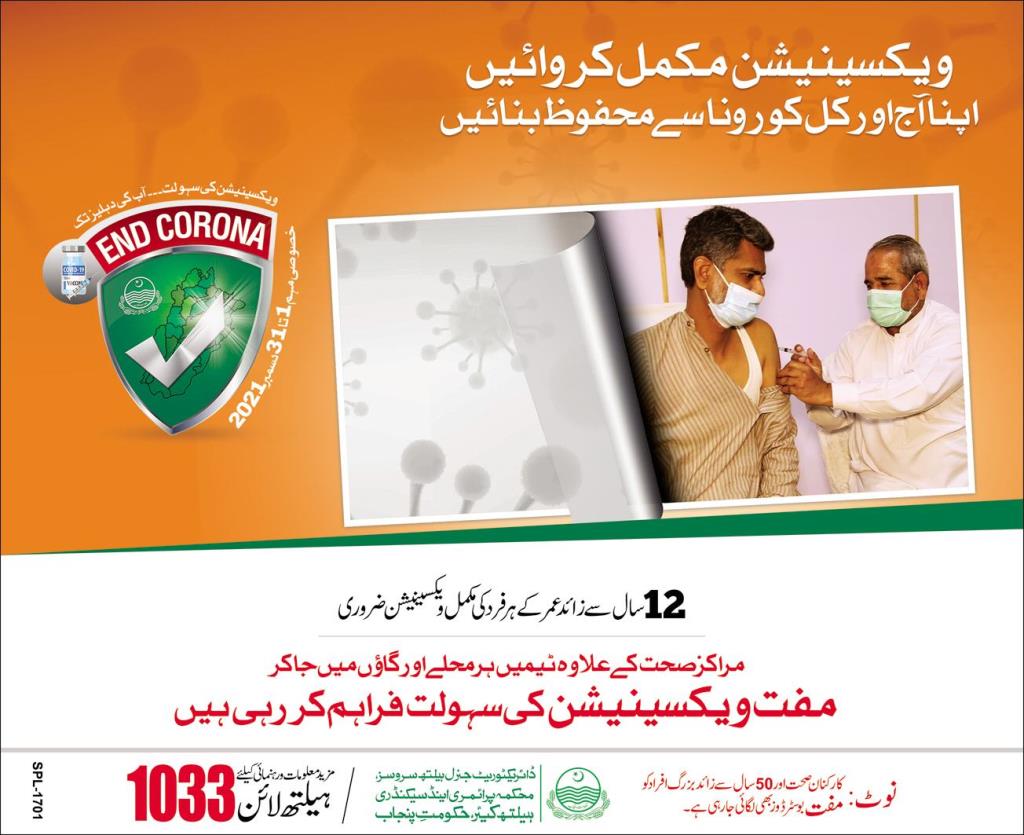
The cajoling worked: over 14.2 million vaccine doses were administered in July, with the number more than doubling in August, as per government data. Pakistan’s inoculation rate first spiked in May when the government opened registration for citizens aged 30 and above.
As of September 26, Pakistan had administered over 78 million doses with 27 million people fully vaccinated.
But the pressure also opened a can of worms, as reports of fake vaccination certificates began surfacing across the country. One WhatsApp text, seen by the correspondent, advertised a fake vaccination certificate for Sinopharm for 6,500 Pakistani rupees while Sinovac and CanSino certificates cost 6,000 rupees each, and Moderna certificates were selling for 12,000 rupees.
“At least 41 arrests have been made in the past two months” in related cases, a government official privy to the development told The Diplomat.
“The Federal Investigation Agency is also tracking individuals who acquire fake certificates.”
The official added that the agency is collaborating with the National Database and Registration Authority (NADRA) to monitor the registration process and investigate those involved in fake data entries.
The provincial government in Punjab came under scrutiny earlier this month when a fake vaccination certificate for former premier Nawaz Sharif – who left Pakistan for the United Kingdom months before COVID-19 first emerged in China’s Wuhan City – surfaced online.
Pakistan’s Health Minister Dr. Faisal Sultan admitted that the technical flaws need to be fixed.
“The number will be very, very small,” he continued. “The scale of the issue is small, but we are still working to make it smaller still.”
In August, the government launched the “Pak Covid-19 Vaccination Pass App” following complaints that people were using fake vaccination certificates to access facilities such as indoor dining and travel, which were reserved for vaccinated individuals.
Historically, Pakistan has always struggled with vaccine hesitancy. It is one of the only two countries in the world where polio is still an endemic disease.
“People don’t want to get vaccinated,” said a health care worker at a district hospital in the northern province of Khyber Pakhtunkhwa. Speaking on condition of anonymity, he said the staff was making fake data entries for those reluctant to get vaccinated. “Sometimes they get paid, other times they do it for free.”ADVERTISEMENT
The issue of fake certificates is not limited to Pakistan – or developing countries for that matter. Check Point, an Israeli cybersecurity firm, found the global black market for fake vaccine cards grew exponentially in just the past month, going from 1,000 sellers in August to north of 10,000 in September.
According to Check Point, fake vaccine certificates are now being sold in 29 countries, including the United States, United Kingdom, France, Spain, Germany, Italy, Portugal, Belgium, Netherlands, Greece, Finland, Romania, Russia, Bulgaria, Switzerland, Austria, Poland, Czech Republic, Latvia, Ireland, Malta, India, Singapore, Indonesia, Thailand, and Australia.
In August, U.S. authorities charged a woman from New Jersey for selling about 250 fake vaccine cards to New York City-area jab dodgers – including people working in hospitals and nursing homes. Meanwhile, a flaw was identified in Australia’s Express Plus Medicare app that allowed people to fake their COVID-19 vaccination certificate in under 10 minutes.
Sultan, Pakistan’s health minister, said vaccine certificates in most countries are printed cards signed off by pharmacy employees in a retail chain with no direct way of verification by a third party. “In our case, the vaccine dose is captured in the national citizens’ database (NADRA) and is instantly verifiable via QR code on the certificate,” he explained.
He reiterated that the percentage of fake entries was rare.
Talking to The Diplomat, Dr. Rana Asghar, an epidemiologist based in Islamabad, underlined evaluating the gap between administrative and epidemiological sets of data. “Our surveillance data is often under-estimated. The problem is that when your data is inaccurate then may find trouble planning interventions.”
“If you cannot identify vulnerable areas then your corrective measures will be generalized,” he explained.
Grappling with a fourth of coronavirus infections, Pakistan has reported nearly 1.5 million infections and over 27,000 deaths since February 2020 – out of which over 200,000 cases were recorded in the last 60 days, with a fatality rate of 2.52 percent.
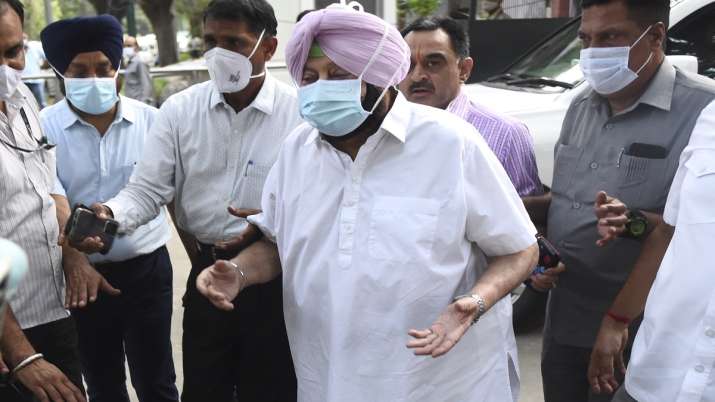
Amarinder Singh condemns killing of Sikh medicine practitioner in Pakistan’s Peshawar
Former Punjab Chief Minister Captain Amarinder Singh has condemned the killing of a well-known Sikh ‘hakeem’ inside his clinic in Pakistan’s restive northwestern city of Peshawar. The deceased man has been identified as Sardar Satnam Singh (Khalsa).
“Sad to know about the brutal murder of Hakeem Satnam Singh ji at Peshawar, Pakistan. Such a brutal attack against a minority community in Pakistan cannot be tolerated. Urge the @MEAIndia to take up the issue at the highest level & ensure Justice,” Amarinder Singh tweeted.
The 45-year-old was at his clinic when attackers barged into his cabin and opened fire at him. Singh, who practised Unani medicine, received four bullets, died instantly, according to police. Singh was rushed to the Khyber Pakhtunkhwa provincial capital’s Lady Reading Hospital in an injured condition where he later succumbed to his injuries.
Police said that the physician had arrived in Peshawar from Hassan Abdaal a day earlier. The killers managed to escape from the crime scene.
Singh, a well-known figure in the Sikh community, was running his clinic ‘Dharmandar Pharmacy’ on Charsadda Road in Peshawar. He had been living in the city for the past 20 years. Singh is survived by his wife, three daughters and two sons.
About 15,000 Sikhs live in Peshawar, mostly in the Jogan Shah neighborhood of the provincial capital. Most of the Sikh community members in Peshawar are involved in business, while some also run pharmacies.
In 2018, Charanjit Singh, a prominent Sikh community member, was killed by unknown men in Peshawar. Similarly, news channel anchor Ravinder Singh was killed in 2020 in the city. In 2016, Pakistan Tehreek-e-Insaaf National Assembly member Soren Singh was killed in Peshawar.
According to the 2017 census, Hindus constitute the largest religious minority in Pakistan. Christians make up the second largest religious minority. The Ahmadis, Sikhs and Parsis are also among the notable religious minorities in Pakistan.